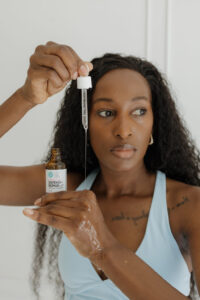
Copper is involved in numerous physiological as well as metabolic process which are essential for the appropriate functioning of almost all tissues in the human body. In the skin – copper is responsible for the synthesis and stabilisation of extracellular matric skin proteins and angiogenesis. Life changing skincare does not come from the latest trend sweeping social media. The most effective products emerge from decades of scientific research into how our skin naturally heals and regenerates. Copper peptides, represent exactly this type of breakthrough, a scientifically proven approach to anti-aging that works in harmony with your skin’s biological processes rather than against them. Copper peptides provide a gentle approach to achieving smoother skin and reducing fine lines and wrinkles. Copper peptides act by stimulating collagen production – which enhances wound healing while providing protection against the aging process. By supporting the skin’s natural ability to repair and renew itself – copper peptides enhance the skin’s appearance while also maintaining its youthful qualities as we age.
What is skin aging?
The skin is classified as the largest organ of the human body which protects our internal tissues from chemical, physical, and microbial damage. The skin acts as a barrier to prevent loss of water and other endogenous substances, participates in thermoregulation of the body and serves as an excretory organ. The skin is consists of three distinct layers, namely the epidermis (outer layer), dermis (intermediate layer) and hypodermis (deep layer). The epidermis is mainly composed of cells called keratinocytes, which are constantly renewed – and serves as the main semipermeable protective barrier. The dermis, meanwhile, is made up of fibroblast cells and contains collagen and elastin fibers that give the skin strength and elasticity. The hypodermis, made up of fat cells, acts as a protective cushion and contributes to the body’s thermal insulation.
As we age, our skin loses elastic fibers (elastin), collagen as well as hyaluronic acid, as seen in Figure 1. This causes the skin to look older, form wrinkles – and become more fragile. Hormonal changes often cause further skin thinning and dryness. Photo damage – or damage caused by sun exposure is another major factor when it comes to skin aging and the signs thereof.
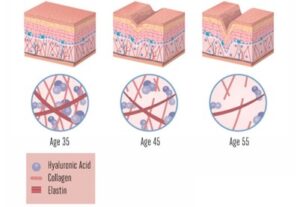
Figure 1 Elastin, Collagen and Hyaluronic Acid levels over Time.
Skin aging is caused by a combination of natural internal (intrinsic) factors like genetics, hormones, and slower cell turnover, and external (extrinsic) factors such as UV radiation (sunlight), smoking, pollution, poor diet, stress, and lack of sleep, all leading to reduced collagen/elastin, dryness, wrinkles, and age spots as summarised in Table 1.
Table 1 Factors causing Skin Aging.
Intrinsic Factors | Extrinsic Factors | Key Structural Changes |
Genetics Your inherited genes influence how your skin ages | UV Radiation The biggest factor, breaking down collagen and elastin, causing wrinkles, sunspots, and texture changes. | Collagen & Elastin Loss Reduces skin’s firmness, structure, and ability to “snap back”. |
Cellular Aging Slower production of new skin cells, collagen, and elastin. | Smoking Damages collagen and elastin, alters skin tone, and reduces antioxidants. | Thinning Skin The outer layer (epidermis) becomes thinner and paler. |
Hormonal Changes Oestrogen decline (menopause) significantly reduces skin thickness, moisture, and elasticity. | Pollution Contributes to free radical damage and premature aging. | |
Reduced Oil/Sweat Skin becomes drier and less plump. | Diet High sugar/processed foods (glycation) and lack of antioxidants (vitamins) accelerate aging. | Hyperpigmentation Age spots and uneven skin tone develop. |
| Stress High cortisol levels break down collagen and weaken the skin barrier. | |
| Poor Sleep Affects skin barrier function and cell repair, leading to duller skin. | |
| Facial Expressions Repeated movements create fine lines and wrinkles (dynamic wrinkles). |
What are Copper Peptides?
The main use of copper peptides for skin is their anti-aging and skin-healing benefit. Regular use of copper peptides can lead to a noticeable reduction in the appearance of fine lines and wrinkles. As a result, skin is left smoother and more refined. They can also enhance skin elasticity and firmness. This helps combat the sagging that often accompanies skin aging. Copper peptides also possess antioxidant benefits and hence can help protect the skin from environmental stressors. Copper peptides are a group of small protein fragments that contain copper ions attached to them. They are known for their potential to stimulate collagen production in the skin. Collagen is a vital protein that provides structure and elasticity to the skin, and its production tends to decrease as we age. Copper peptides can stimulate the activity of fibroblasts, which are cells responsible for producing collagen. They encourage fibroblasts to produce more collagen and elastin, which are essential for maintaining skin’s youthful appearance. Copper peptides have antioxidant properties, which means they can help protect the skin from oxidative stress and damage caused by free radicals.
Benefits of Copper Peptides for Skin
Reduction of Fine Lines and Wrinkles
Clinical tests have demonstrated that Copper Peptides increase collagen synthesis, resulting in measurable reductions in wrinkle depth. Copper peptides have shown benefits for both fine lines and deep wrinkles, particularly in sun-exposed areas. In controlled studies, participants experienced up to 35% improvement in facial wrinkles over 12 weeks of consistent use. Copper peptides can also help reduce the appearance of crow’s feet, which are wrinkles that form around the eyes due to repeated facial expressions, such as smiling and squinting.
Improved Skin Firmness and Elasticity
Copper peptides are able to restore skin elasticity. Clinical research revealed a 70% increase in skin elasticity after 12 weeks of copper peptide application.
Enhanced Wound Healing
The wound-healing properties of copper peptides make them valuable not only for treating existing damage but also for recovery after cosmetic procedures. Whether dealing with minor skin injuries, post-laser treatment healing, post-microneedling treatment healing or even acne scarring, copper peptides accelerate re-epithelialization and minimize scar formation. This makes them an excellent choice for post-procedure care following chemical peeling or other in-office procedures.
Improved Skin Texture and Tone
Users consistently report enhanced skin texture and more even skin tone with regular copper peptide application. This improvement stems from the compounds’ ability to promote skin regeneration while reducing hyperpigmentation and sun damage. The result is smoother, more refined skin with improved overall radiance.
What makes dermaV Pharmaceutical’s DEFEND + REPAIR Complex Serum with Copper Tripeptide-1 Unique?
dermaV’s DEFEND + REPAIR Complex Serum with Copper Tripeptide-1 is specifically formulated to:
- Protects against antioxidant stress
- Improve skin lipid barrier to retain moisture
- May be used on eczema / mature skin
- Reduces inflammation
- Minimizes pore appearance
- Aids with overall skin health and healing
Not only does the product contain Copper Tripeptide – 1 – it is uniquely formulated with Niacinamide (Vitamin B3) as well as Hyaluronic acid. Making it the all-in-one anti-aging powerhouse.
References available on request.